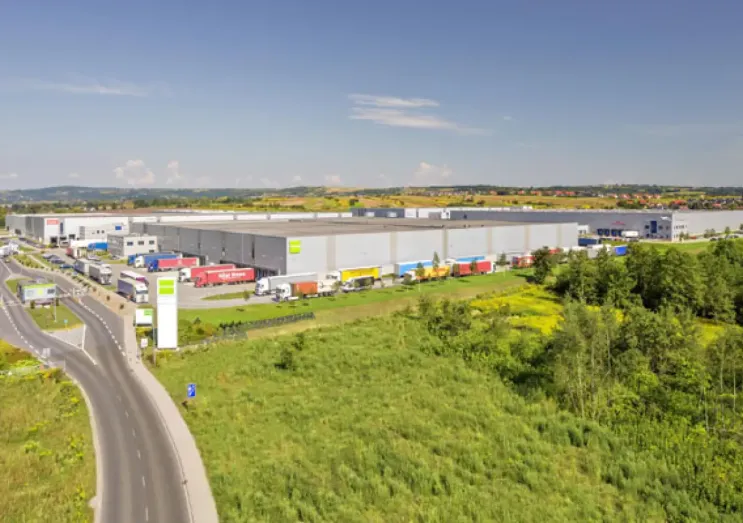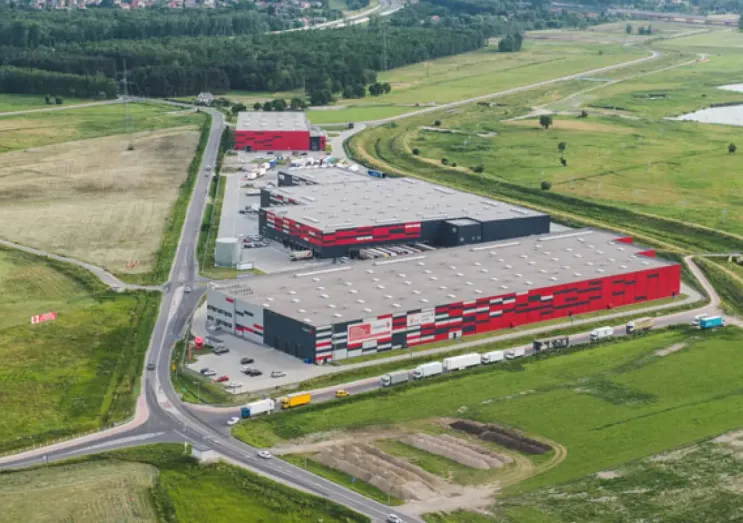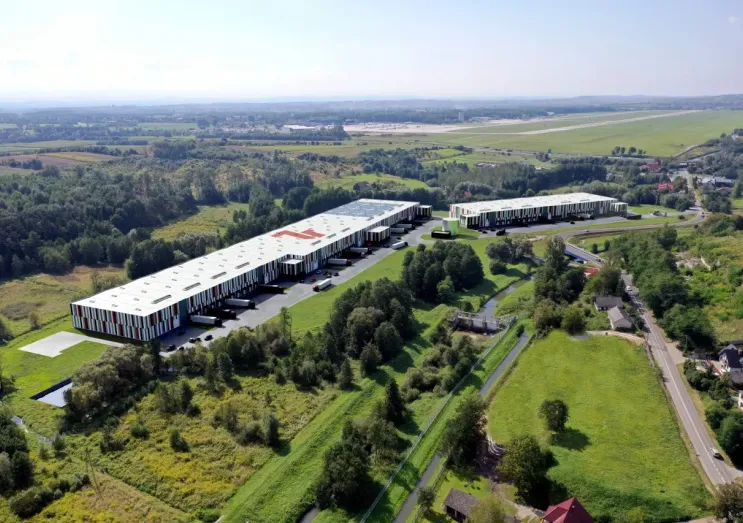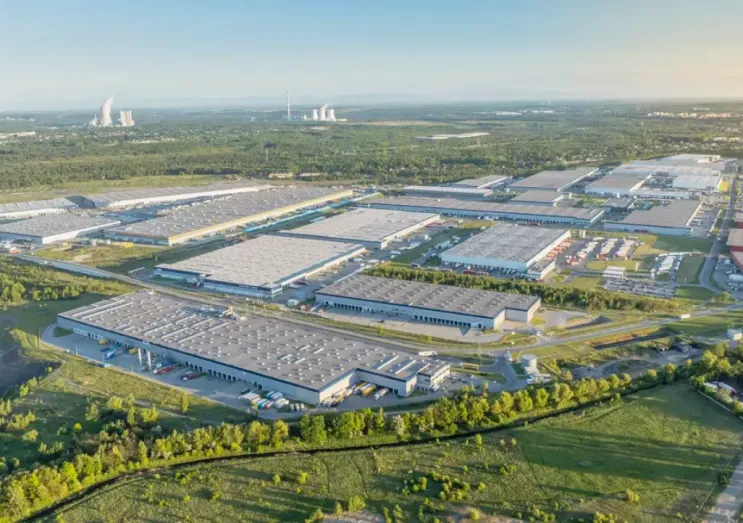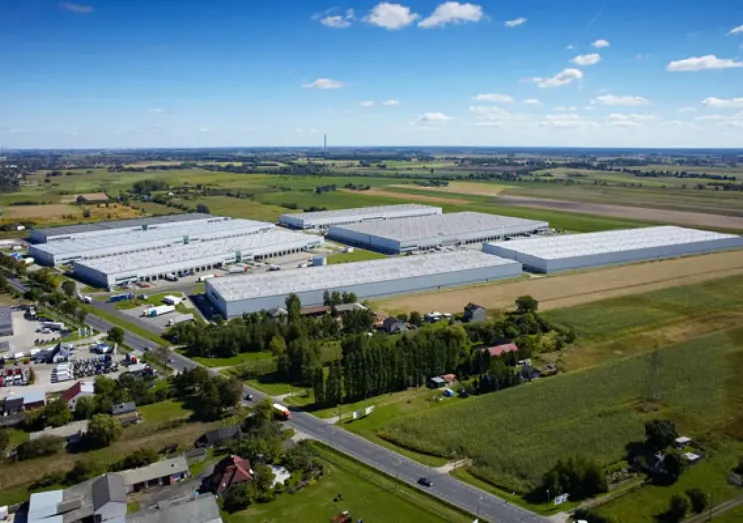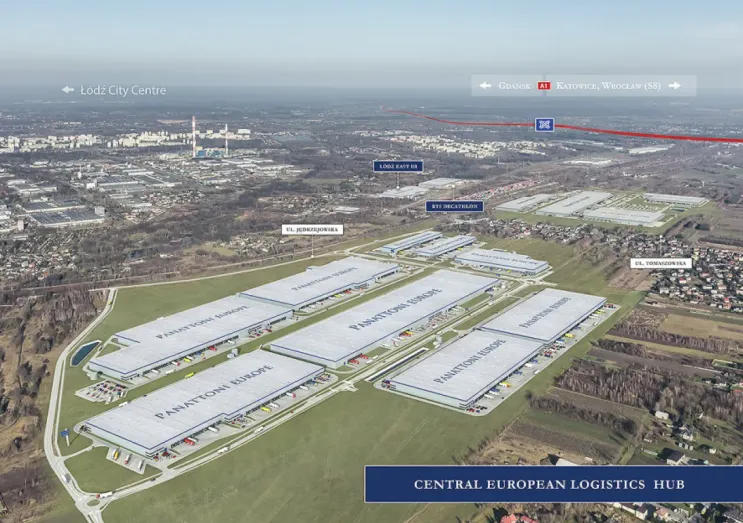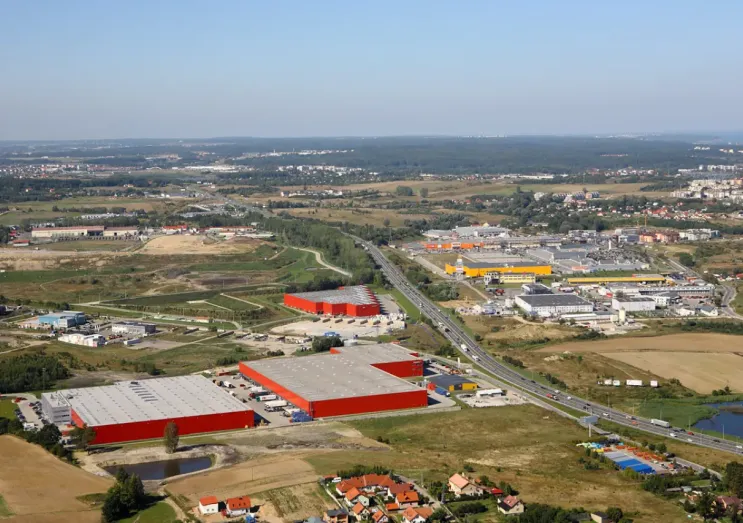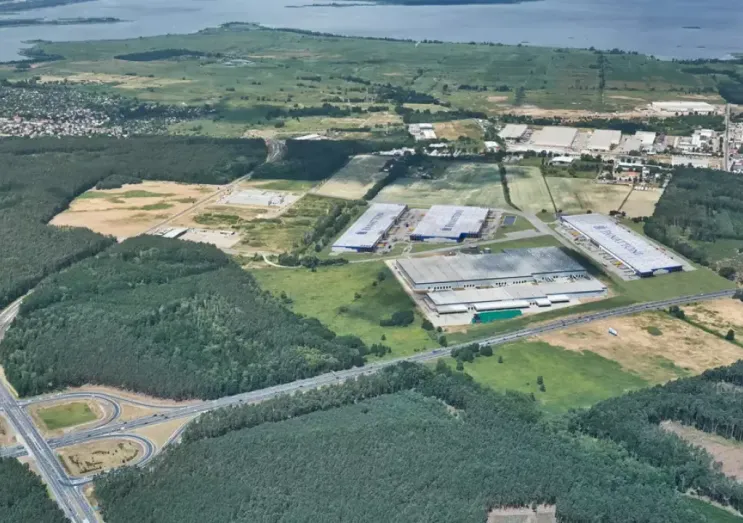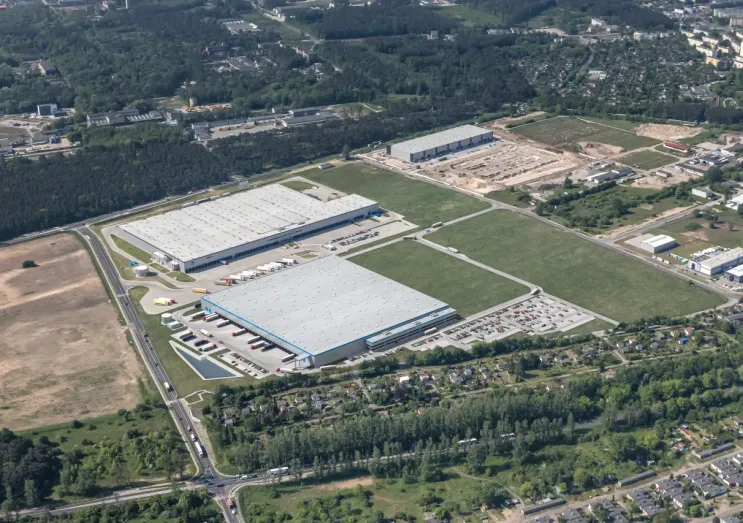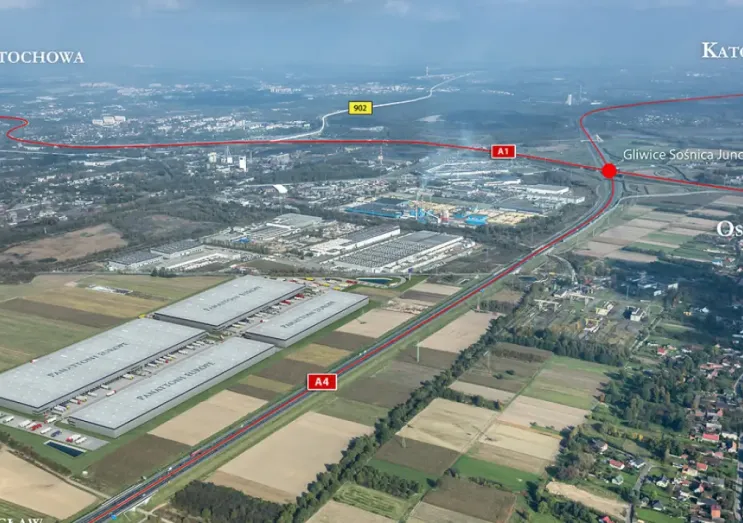

Despite the rise of new warehouse hubs over the past 10 years, Poland’s logistics and industrial market remains highly concentrated in six regions, which attract the bulk of occupier and developer activity. Warsaw, Central Poland, Poznań, Tricity, Upper Silesia, and Lower Silesia collectively account for more than 80 per cent of the nation’s industrial stock, or more than 30 million sqm.
The dominance of these locations stems from a combination of several factors: scale, well-developed infrastructure, deep labour pools and a long-term concentration of capital.
Historically, Poland’s industrial market has developed across five core regions, with Tricity joining the ranks in late 2023. “The dominance of the Big Six has for years been reflected in both supply and demand. These regions saw more than 20 million sqm of new warehouse space built over the past decade, representing more than 77 per cent of total completions nationwide. At the same time, the six biggest hubs generated more than 46 million sqm of take-up, accounting for nearly 84 per cent of all space leased during that period,” says Agnieszka Giermakowska, Research & Advisory Director, ESG Lead, Newmark Polska.
A full spectrum of opportunities. Strength lies in specialisation
What matters to companies planning to enter the Polish market or expand their operations is that the Big Six do not constitute a monolithic market. Instead, they operate as a system of complementary hubs, each playing a distinct role in the national logistics landscape. According to Jakub Kurek, Head of Industrial and Warehouse, Newmark Polska, their dominance stems primarily from their specialisation. As a result, location choices are increasingly driven by operational suitability rather than purely by cost comparisons.
“Tricity is developing primarily as a seaport and container logistics hub, leveraging the growing role of the Baltic Sea in international trade and imports. Central Poland remains the key hub for national distribution, serving as the preferred location for the consolidation and redistribution of goods. Upper Silesia combines logistics and industrial functions, creating a stable ecosystem for manufacturers and supply chain operators,” notes Jakub Kurek, Newmark Polska. “Meanwhile, Lower Silesia and Poznań, which benefit from their proximity to the German border and robust transport networks, serve as logistics bases for Western Europe. Finally, Warsaw remains Poland’s largest consumer market and the epicentre for last-mile logistics, catering to the country’s most demanding retail customers.”
Roads reshape Poland’s industrial map
Despite the emergence of new locations and the gradual development of smaller hubs, the industrial market has for years remained heavily concentrated in the country’s largest regions.
“Their dominance results from the long-established operational model of the market. Infrastructure remains paramount, and locations become increasingly attractive as they continue to develop. The new sections of the A2 motorway east of the capital and the extension of the S7 expressway have strengthened the position of Warsaw and Central Poland as the country’s key distribution hubs. At the same time, the market is expanding beyond the immediate metropolitan area towards towns such as Błonie, Grodzisk Mazowiecki, and Siedlce. Thanks to these improvements, these locations offer occupiers lower costs while maintaining easy access to both the Warsaw market and the national transport network,” says Agnieszka Giermakowska.
Meanwhile, Jakub Kurek notes that the development of the S1 expressway is critical to Upper Silesia, improving connectivity with Southern Europe and strengthening the region’s position as a leading warehouse and industrial hub, particularly for manufacturing and nearshoring. Simultaneously, Lower Silesia is benefiting from the expansion of north-south corridors, reinforcing its role as a logistics base for the Czech Republic and Germany. Tricity is also visibly gaining prominence, as the construction of the Tricity Metropolitan Ring Road and the S6 expressway will significantly improve access to seaports and streamline cargo handling.
“Projects with the strongest transformative potential nationwide are the eastward extension of the A2 motorway, the north-south S7 corridor and the Via Carpathia (S19), which forms a transport axis along the eastern border of the European Union. In the longer term, these developments are likely to enhance the logistics appeal of eastern Poland, integrating it into international supply chains and creating an alternative to the currently dominant routes running through western Poland,” explains Agnieszka Giermakowska.
Business follows talent availability
Access to labour pools remains an undisputed strength of the largest markets. Every new development requires confidence that both operational and technical teams can be built efficiently.
“Lower Silesia, Upper Silesia and Poznań remain first choice locations when it comes to stable labour pools, both for operational staff and specialists. These regions stand out for their large warehouse and manufacturing workforce and the relatively high availability of employees with technical skills, allowing companies to scale teams quickly and maintain greater seasonal flexibility,” says Danuta Protasewicz, Regional Manager, Grafton Recruitment. “Warsaw and Tricity attract investors thanks to the inflow of international workers, helping partially ease local labour shortages. Central Poland – particularly the areas near Łódź and Stryków – offers access to workers with warehousing experience, making the region attractive to e-commerce operators and distributors serving the entire country.”
Today, the assessment of labour pools goes far beyond sheer workforce size. Tenants are increasingly shifting their focus toward employee turnover, wage competitiveness, access to technical workers and the presence of universities and vocational schools. According to Danuta Protasewicz, recruitment potential is now often a decisive factor in market selection and is analysed as closely as operating costs and infrastructure availability.
The foundations of the dominance: scale acts as a magnet
The development history of the largest hubs has been a key factor in their dominance. Over the years, they have strengthened their position through new projects, the expansion of logistics networks and the influx of operators, creating a self-reinforcing mechanism of growth. The presence of large tenants generates additional demand, attracting even more market participants.
According to Jakub Kurek, location predictability is paramount in the current market environment. Amid heightened uncertainty, capital is flowing towards low-risk locations offering well-developed infrastructure and stable leasing liquidity. “As a result, despite seasonal economic fluctuations, the market remains heavily concentrated in the largest and most established regions, where infrastructure and occupier activity continue to accumulate, reinforcing economies of scale and enhancing market resilience. For companies, this concentration creates opportunities to expand and scale operations within a single region, whereas such opportunities remain limited in smaller locations,” the expert notes.
At the same time, new locations are emerging on Poland’s industrial map alongside the Big Six, driven by their local competitive advantages. “Lubuskie benefits from its proximity to the German border and the S3 and A2 transport corridors, which enhances its attractiveness to companies serving Western European markets. Rzeszów, meanwhile, is developing thanks to projects by Panattoni and CTP, as well as the growth of the aviation and defence sectors. This demonstrates that specialised industries can also drive growth outside the main hubs,” says Agnieszka Giermakowska. “Looking ahead, while the share of the Big Six in total national stock is likely to decline gradually, it will remain very high and is unlikely to fall below 70 per cent.”

In the photo, from left to right:
Jakub Kurek, Head of Industrial and Warehouse, Newmark Polska; Agnieszka Giermakowska, Research & Advisory Director, ESG Lead, Newmark Polska; Danuta Protasewicz, Regional Manager, Grafton Recruitment.