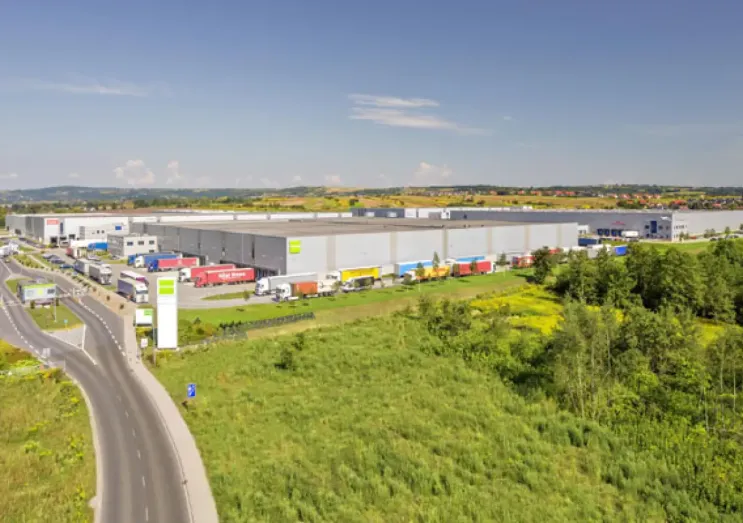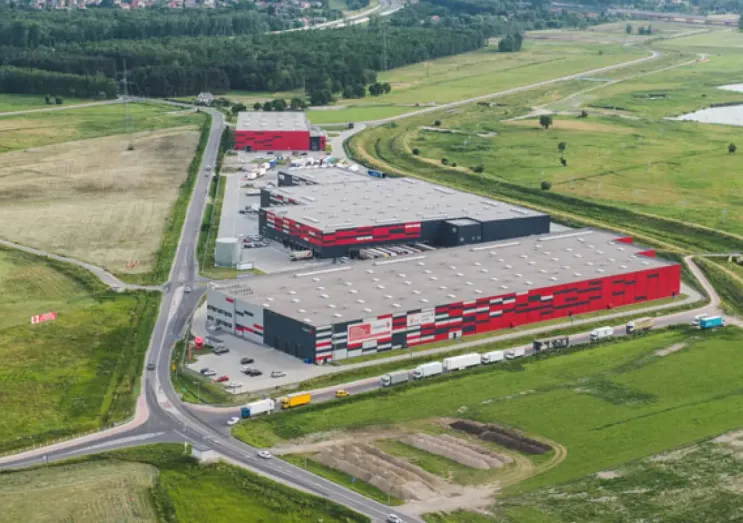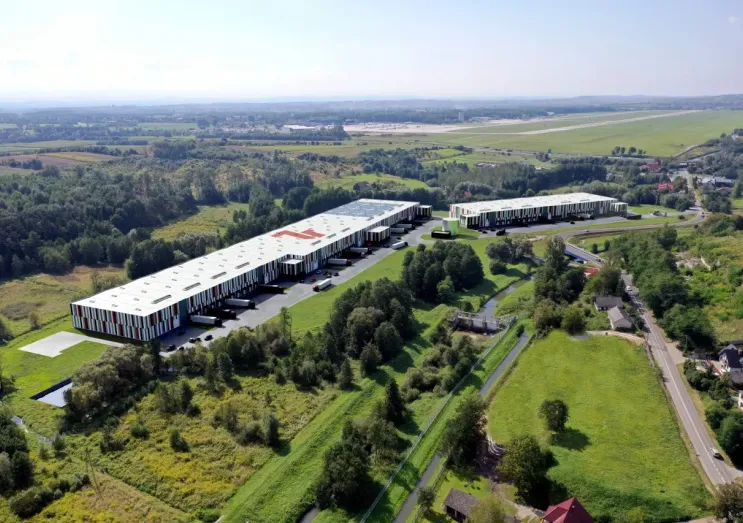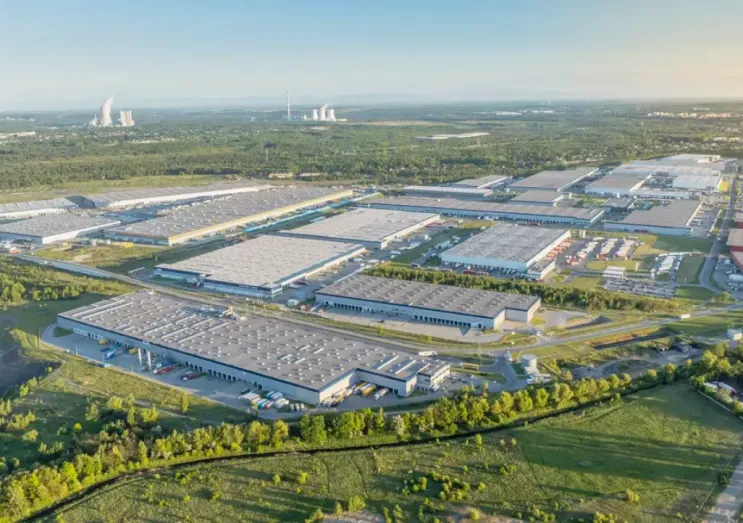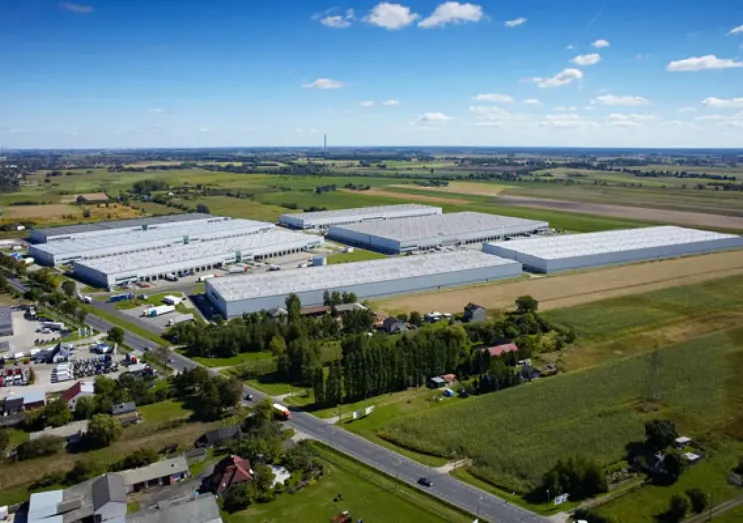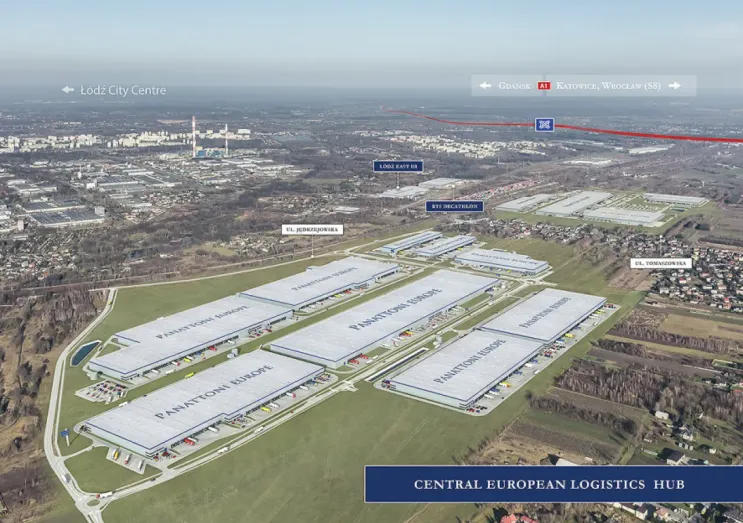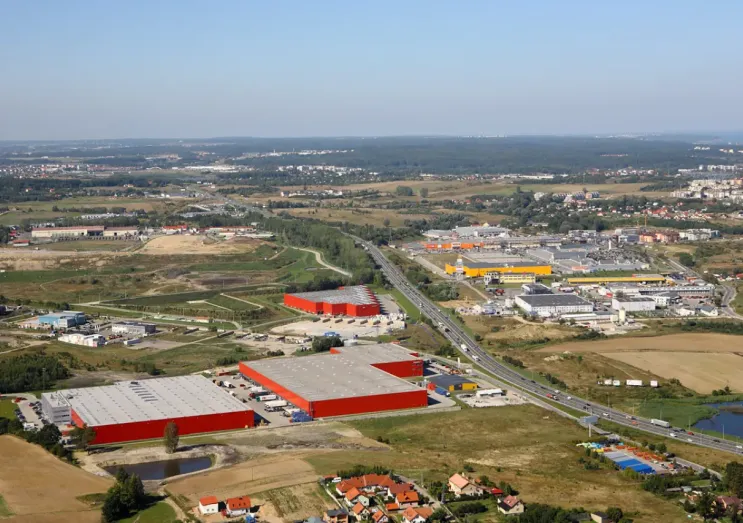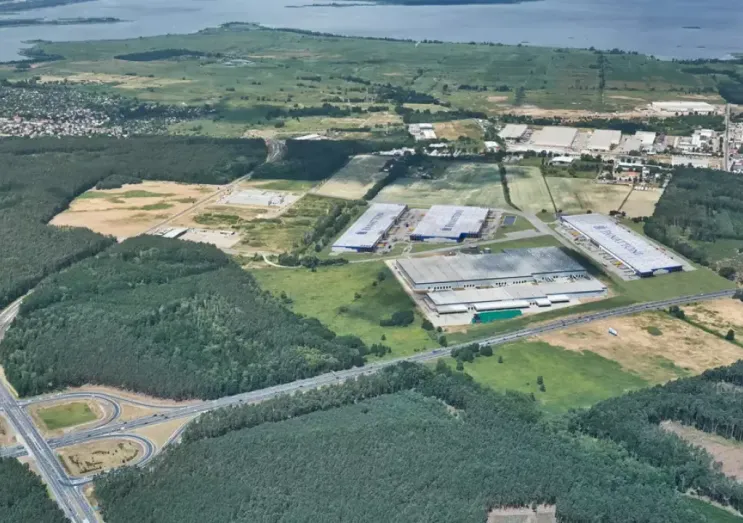

Poland’s warehouse and industrial market experienced notable stabilisation in 2025 following a period of rapid growth. Occupiers took a more selective approach to expansion and relocation, while developers showed increased caution when launching new projects. In the first quarter of 2025, the nation’s total warehouse and industrial stock surpassed the 35 million sqm mark, rose above 36 million sqm in the third quarter, and is expected to reach or slightly exceed 37 million sqm by year-end. Looking ahead, if the market maintains annual growth of 7-7.5 per cent over the next two years, total stock could top 40 million sqm in 2027.
Market stabilises
Despite increased developer caution, construction activity remains steady. Quarterly warehouse and industrial development pipelines have averaged 1.5-1.8 million sqm over the past decade, and momentum is expected to continue throughout 2026, with approximately 2 million sqm projected to be delivered. While this represents a more than twofold decrease from the 4.4 million sqm peak recorded in 2022, it is still a healthy level of development consistent with the current demand and cost dynamics.
Key regions dominate
In 2025, development activity remained highly concentrated geographically, with approximately 80 per cent of projects in the pipeline located in Poland’s six core regional markets – primarily in Mazovia, Pomerania, Upper Silesia and Lower Silesia. Six key regions (Mazovia, Upper Silesia, Lower Silesia, Łódzkie, Greater Poland and Pomerania) accounted for over 80 per cent of 2025’s new supply. This trend is expected to carry into 2026, driven largely by sustained occupier demand in the six core markets, which contributed more than 80 per cent to 2025’s total take-up.
Demand led by renegotiations
Leasing activity for 2025 as a whole is expected to reach approximately 6 million sqm, closely matching the previous year’s total, amid notable shifts in the take-up structure, including in particular a steady rise in renewals, which are likely to account for up to 60 per cent of all deals this year. Key demand drivers include the continued growth of e-commerce, the expansion of last-mile logistics and ongoing road, rail and seaport infrastructure projects. Leasing activity is projected to edge up in 2026 to approximately 6.5 million sqm.
Modern warehouses gain an advantage
With constrained new supply and stable occupier demand, vacancy rates are expected to remain at around 7-8 per cent in 2026, although prime locations are likely to see sharper declines in warehouse and industrial space availability. Looking ahead, the market is projected to continue to bifurcate. Modern buildings that meet high technological, logistical and environmental standards will maintain high occupancy rates and stable rents. By contrast, owners of older warehouses – particularly those in secondary locations or built to lower standards and experiencing higher vacancies – will come under increasing pressure to offer lower rents or more generous lease incentive packages.